When storm season rolls into a city, most of us focus on traffic delays, flooded intersections, and the possibility of losing power. We check the forecast, move patio furniture inside, and hope for the best. But what often goes unnoticed is how deeply storm season affects the wellness of our homes—and, by extension, our own physical and mental health.
Urban homes face unique pressures. Buildings sit closer together. Drainage systems are shared. Trees compete for limited space. Roofing materials endure reflected heat from nearby structures, then sudden temperature drops during downpours. All of this creates a perfect storm—literally and figuratively—for moisture buildup, structural strain, and indoor air quality issues.
Home wellness is not just about aesthetics or resale value. It’s about breathing clean air, sleeping without worry when wind howls outside, and knowing your home won’t surprise you with hidden damage weeks after a storm has passed. The goal isn’t to fear the season. It’s to understand it—and prepare thoughtfully.
Identify Early Signs Of Hidden Moisture Before It Spreads
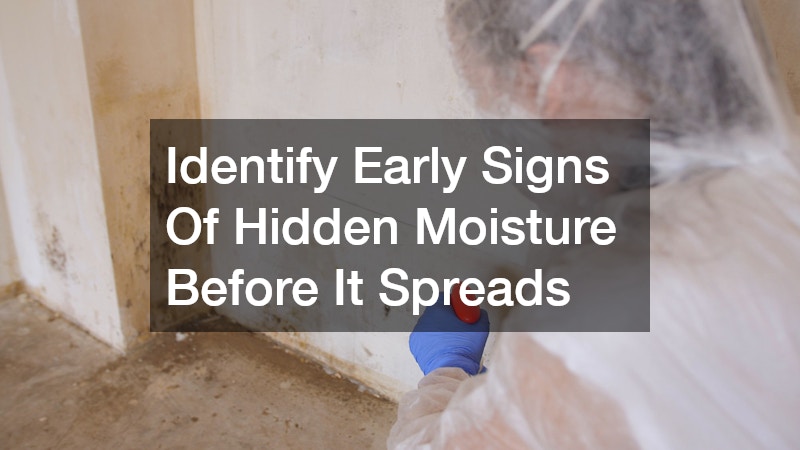
Heavy rains do not always announce themselves with visible flooding. Often, the real trouble begins quietly—inside walls, beneath flooring, or in attic insulation.
Urban homes are especially vulnerable to slow leaks because many structures share walls or sit tightly between neighboring properties. A small breach in flashing or siding can allow water to travel unnoticed for days. By the time you see discoloration on drywall, the problem may already require professional water damage remediation.
Early warning signs deserve immediate attention:
- A faint, persistent musty odor
- Paint that bubbles or peels near ceilings
- Warped baseboards
- Sudden allergy flare-ups inside the home
- Unexplained increases in humidity
One city homeowner described noticing a ”wet cardboard” smell after a week of steady rain. There was no obvious leak. Two weeks later, a patch of ceiling sagged. What started as a small roof vulnerability turned into a repair that required both structural drying and mold treatment.
The key is acting quickly. A qualified water repair service can assess whether moisture is surface-level or has penetrated deeper structural layers. Professional tools like thermal imaging and moisture meters identify hidden saturation that the eye cannot detect.
Preventive habits make a major difference:
- Inspect ceilings and attic spaces after major storms.
- Seal minor cracks in exterior siding before storm season begins.
- Ensure gutters channel water at least three feet away from the foundation.
Moisture spreads silently, but early awareness keeps a small inconvenience from becoming a major disruption.
Protect Indoor Air Quality After Heavy Rainfall
Storms don’t just affect walls and roofs—they also influence what flows through your pipes. Urban water systems experience intense pressure shifts during heavy rainfall, and contamination risks can increase if the infrastructure is aging.
After severe storms, municipalities sometimes issue boil-water advisories. Even without official alerts, sediment and runoff can temporarily impact water clarity and taste. Installing a reliable water filter system provides peace of mind, especially in older neighborhoods where plumbing networks are decades old.
Beyond filtration, storm season can strain drain lines and sewer systems. If heavy rainfall overwhelms municipal drains, wastewater may back up into homes. A preventative inspection by a licensed plumbing service can identify vulnerabilities such as aging backflow preventers or partially blocked lines.
Consider these proactive steps:
- Test your water annually, particularly before storm season.
- Install backflow prevention devices in basements or lower-level bathrooms.
- Flush faucets for several minutes after heavy rainfall to clear sediment.
Indoor air quality is also affected by damp conditions. High humidity encourages mold spores, which circulate through HVAC systems. Maintaining proper ventilation and monitoring indoor humidity (ideally between 30-50%) keeps the air healthier for everyone in the household.
Water safety is often overlooked until something goes wrong. By then, stress levels are already high. A proactive approach protects both physical health and mental comfort.
Prevent Roof Leaks Before The Next Downpour
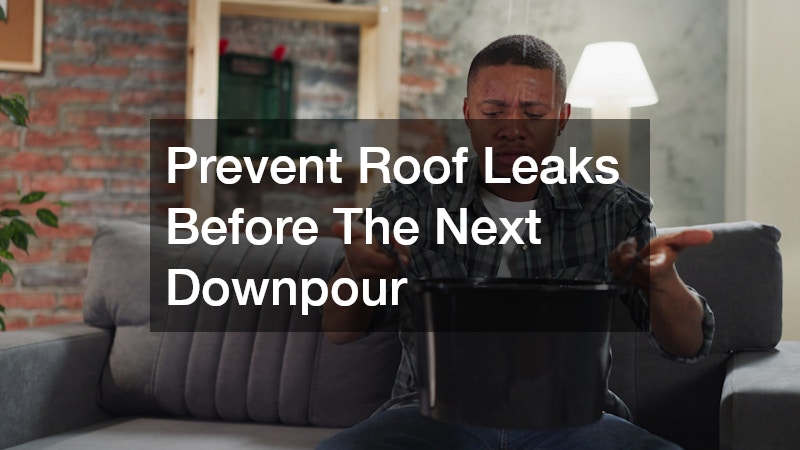
A roof is easy to forget—until wind lifts a shingle or water stains appear overhead.
Storm season exposes even minor roofing weaknesses. High winds loosen flashing. Debris scrapes protective layers. Rapid temperature changes cause expansion and contraction that widen tiny gaps. Over time, these small vulnerabilities accumulate.
If your roof is more than 15-20 years old, it may be time to evaluate whether patch repairs are sufficient or whether a full roof replacement would provide greater long-term security. In storm-prone cities, upgrading materials can significantly reduce future repair costs.
Some homeowners are choosing more durable systems by consulting a metal roofer. Metal roofing often withstands wind uplift better than traditional asphalt shingles and sheds rain efficiently. While the upfront investment is higher, longevity and storm resistance frequently justify the cost.
Before storm season peaks:
- Schedule a professional inspection.
- Clear gutters and downspouts thoroughly.
- Check attic insulation for signs of previous leaks.
- Ensure flashing around chimneys and vents is sealed.
Roof issues rarely fix themselves. Addressing small concerns in spring or early summer prevents frantic calls during the height of storm activity.
Reinforce Windows Against Wind And Water Intrusion
Windows are the eyes of a home—but during storm season, they can also be points of vulnerability.
Older frames may warp over time, creating small gaps where wind-driven rain enters. In dense urban environments, wind tunnels form between buildings, increasing pressure against glass and seals.
If you notice drafts even when windows are closed, it may be time to evaluate professional window installation. Modern designs offer improved sealing technology and impact-resistant glass options that reduce both water intrusion and energy loss.
Insulation matters just as much as glass. Properly applied spray foam material around frames seals tiny gaps that traditional caulking misses. This not only blocks moisture but also stabilizes indoor temperatures during unpredictable weather swings.
You can test for air leaks yourself by holding a candle near window edges on a breezy day. If the flame flickers noticeably, sealing improvements are needed.
Upgrading windows does more than protect against storms. It improves sound insulation, reduces energy bills, and enhances overall comfort—especially during nights when wind rattles the city skyline.
Reduce Structural Risk From Falling Trees And Debris

Urban neighborhoods often pride themselves on mature trees. They provide shade, beauty, and a welcome break from concrete landscapes. But during storm season, those same trees can become hazards.
Heavy rain saturates soil, weakening root systems. Strong winds exploit that instability. Branches snap. Entire trunks lean unexpectedly.
Walk your property with a critical eye before storm season intensifies. Look for:
- Cracks in major limbs
- Mushrooms growing near the base of a trunk
- Trees leaning toward your roof or power lines
- Hollow-sounding sections when tapped
Preventative pruning may be sufficient in many cases. In others, professional tree removal is the safest choice. Removing a compromised tree before a storm costs far less than repairing structural damage afterward.
Because urban properties sit close together, coordination with neighbors can be important. A shared tree near a fence line poses a risk to both homes. Open communication fosters shared responsibility and reduces tension if removal becomes necessary.
Trees enrich city living—but only when they’re healthy and structurally sound.
Safeguard Bathrooms And Kitchens From Emergency Failures
Bathrooms and kitchens bear the brunt of plumbing stress during storm season. When city sewer systems are overwhelmed, internal pressure changes ripple through household pipes.
You might first notice slow drainage or gurgling sounds in sinks. In bathrooms, repeated clogs can signal deeper issues. Prompt toilet repair prevents overflow situations that compound water damage risks.
Preventative maintenance is especially important in multi-story urban homes, where plumbing stacks run vertically and can be difficult to access. Scheduling a seasonal inspection with a trusted plumbing service ensures drains, sump pumps, and shut-off valves function properly before heavy rainfall peaks.
If your home includes a basement bathroom, consider installing a check valve to prevent sewer backflow. It’s a relatively small upgrade that provides significant protection.
A practical pre-storm checklist:
- Know the location of your main water shut-off valve.
- Test sump pumps before storm forecasts.
- Avoid flushing wipes or debris that increase clog risk.
Plumbing failures are stressful because they happen quickly. But preparation transforms potential emergencies into manageable inconveniences.
Improve Indoor Comfort During Power Outages And Humidity Spikes
Storm season often brings humidity surges and occasional power outages. Even if structural damage never occurs, indoor comfort can suffer.
When electricity cuts out, HVAC systems stop regulating moisture. Humidity rises rapidly, especially in tightly sealed urban homes. High moisture levels contribute to mold growth, warped wood, and respiratory discomfort.
Insulating attics and crawl spaces with spray foam material helps create a thermal barrier that slows temperature swings. Unlike traditional fiberglass insulation, spray foam expands into crevices, reducing air infiltration and moisture penetration.
During prolonged outages:
- Use battery-powered fans to circulate air.
- Keep windows slightly open (weather permitting) to encourage cross-ventilation.
- Avoid cooking indoors if ventilation is limited.
Once power returns, run dehumidifiers to restore balanced moisture levels. Even short periods of excess humidity can create lingering odors and discomfort.
Comfort isn’t only about temperature. It’s about stability. When your home feels steady and secure during a storm, stress levels drop noticeably.
Create A Storm-Ready Maintenance Calendar
Preparation becomes easier when it’s structured.
Rather than reacting to each forecast, create a yearly storm-readiness calendar. Assign tasks to specific months so inspections and upgrades happen before urgency sets in.
For example:
- Early Spring: Schedule roof inspections and evaluate the need for roof replacement.
- Late Spring: Inspect foundation grading and drainage.
- Early Summer: Book a preventative visit from a water repair service.
- Mid-Summer: Test sump pumps and backup power sources.
Document findings digitally. Take photos of vulnerable areas. Record dates of repairs and contractor visits. This not only keeps you organized but also supports insurance claims if damage occurs.
Budgeting gradually for long-term upgrades reduces financial stress. Replacing aging components before failure spreads costs over time and prevents sudden, large expenses.
Storm readiness is less about panic and more about rhythm—small, consistent actions that compound into resilience.
Build A Resilient Urban Property Strategy

True home wellness extends beyond reactive repairs. It involves designing your property to withstand predictable challenges.
In storm-prone cities, that may mean coordinating multiple upgrades at once. For example, pairing new window installation with roofing improvements ensures a continuous weather-resistant envelope around the home.
Consulting a metal roofer when evaluating long-term durability options may open possibilities you hadn’t considered. Stronger materials reduce maintenance cycles and offer improved wind resistance.
Think in terms of layers:
- Structural integrity
- Moisture control
- Energy efficiency
- Air quality
When these systems support one another, the entire home performs better during extreme weather.
Urban living comes with shared infrastructure and environmental stressors. But thoughtful planning transforms those challenges into manageable variables. A resilient home doesn’t eliminate storms—it absorbs their impact gracefully.
Understand The Emotional Toll Of Repeated Storm Stress
Storm season doesn’t just test building materials—it tests people.
If you’ve ever lain awake during a thunderstorm listening for drips in the ceiling or wondering whether that tree outside will hold, you already understand how closely home stability and mental well-being are connected. In urban environments, where properties sit tightly together, and emergency services may be stretched thin during severe weather, that stress can intensify.
Repeated minor incidents—small leaks, brief outages, damp smells that take days to clear—add up psychologically. Even if each issue is manageable, the anticipation of ”what might happen next time” lingers. Over time, that anticipation becomes background anxiety.
One of the most powerful ways to reduce storm-related stress is to replace uncertainty with clarity. When you know:
- The age and condition of your roof
- The stability of nearby trees
- The reliability of your drainage systems
- The steps to take if water appears unexpectedly
—You regain a sense of control.
Creating a simple storm-response plan for your household can also make a significant difference. Decide in advance who checks what after heavy rain. Keep essential phone numbers accessible. Store important documents in waterproof containers. These small, organized actions reduce decision fatigue during high-pressure moments.
Urban home wellness isn’t only structural—it’s emotional. A well-maintained home provides more than shelter; it provides reassurance. And reassurance, especially during storm season, is one of the most underrated forms of comfort a home can offer.
A Healthier Home Through Proactive Storm Preparation
Storm season will always bring uncertainty. Rain will fall harder in some years. Winds will gust unexpectedly between high-rise buildings. Trees will sway. Power lines may flicker.
But your experience inside your home does not have to mirror that chaos.
When moisture is controlled, air is clean, and structures are reinforced, storms become background noise rather than looming threats. Wellness grows from preparation—not perfection.
By observing early warning signs, investing strategically in durable materials, and maintaining a steady rhythm of inspections, you create a home that supports your health in every season.
And when the next storm arrives, you’ll watch it from a place of confidence—knowing your urban home is ready.