The urban landscape is a living, breathing entity, constantly shedding its old skin to make way for the new. When we walk through the heart of a bustling metropolis, it is easy to get lost in the sheer scale of the glass and concrete towers that surround us. Yet, those towering achievements are not merely the result of architectural blueprints; they are the physical manifestations of thousands of hours of specialized labor, precision engineering, and a complex web of logistics. The evolution of our cities is driven by a desire for density, sustainability, and aesthetic innovation, turning once-forgotten industrial corridors into vibrant residential and commercial hubs.
Understanding the mechanics of how a city grows requires looking past the finished facade. It involves appreciating the sequence of events that takes a project from a hole in the ground to a landmark on the horizon. This process is more than just stacking materials; it is about the collaboration of local experts who understand the unique geological, environmental, and regulatory challenges of the urban environment. As we look toward the future of city living, the methods and materials we choose today will define the resilience and character of our neighborhoods for the next century.
Understanding the Bone Structure of the Modern City
Every great skyscraper begins with a hidden struggle against the earth. In a high-density urban environment, the ground is rarely a blank slate; it is often a patchwork of old utility lines, subway tunnels, and varying soil compositions. To support the immense weight of a modern high-rise, engineers must design a foundation that can withstand both vertical pressure and lateral forces like wind or seismic activity. This is where the unseen work of a rebar fabrication company becomes the most critical element of the build.
The reinforcement of concrete is a precise science. Without the internal skeleton provided by high-quality steel rods, the concrete would be brittle and prone to catastrophic failure under the stresses of city life. Developers must also coordinate closely with a reliable building supplier to ensure that the massive quantities of specialized materials—from high-strength cement to moisture barriers—arrive on-site exactly when needed. In the narrow corridors of a city center, there is no room for excess inventory, making the timing of these deliveries a masterclass in urban logistics.
-
Soil Stabilization: Using deep-pile driving or caissons to reach bedrock.
-
Tensioning: Applying stress to steel cables within concrete to increase load-bearing capacity.
-
Vibration Mitigation: Designing foundations that absorb the hum of nearby transit systems.
The Precision of Vertical Assembly
Once the foundation is secure, the race toward the clouds begins. This phase of construction is perhaps the most visible and dramatic, as the skeleton of the tower rises floor by floor. The process of structure building in a city is remarkably different from suburban construction. Every inch of space is accounted for, and the safety of the public on the sidewalks below is the top priority. The skeletal frame must be perfectly plumb and level, as even a fraction of an inch of deviation at the base can lead to significant problems hundreds of feet in the air.
This stage relies heavily on the skill of specialized technicians who can work in high-wind environments with extreme precision. Expert welding services are essential here, as they fuse the massive steel beams that provide the primary support for the floors and exterior cladding. Each joint must be inspected and x-rayed to ensure it can handle the dynamic loads of the building’s future occupants.
-
Crane Management: Coordinating the movement of “tower cranes” that sit atop the rising structure.
-
Safety Netting: Implementing rigorous debris containment systems to protect pedestrians.
-
Wind Loads: Calculating how the building will sway naturally to prevent structural fatigue.
Custom Metalwork and the Urban Aesthetic
As we move away from the purely functional aspects of construction, we encounter the artistry that makes a building iconic. Modern urbanites crave a “modern industrial” look that celebrates raw materials. This trend has led to an increased demand for a metal fabrication contractor who can create bespoke elements like decorative facades, intricate staircases, and custom balcony railings. These details are what give a building its personality, separating a generic office block from a luxury residence.
Furthermore, the rise of metal buildings in urban contexts is not limited to skyscrapers. We see this in the construction of trendy breweries, art galleries, and “maker spaces” that utilize steel frames for wide, open interior spans without the need for obstructive pillars. This architectural flexibility allows for the high ceilings and expansive windows that are hallmark features of contemporary city living.
-
Laser Cutting: Utilizing CNC technology for intricate, decorative metal panels.
-
Corrosion Resistance: Applying specialized coatings to steel to withstand urban smog and salt air.
-
Sustainability: Using recycled steel to meet LEED certification standards for green building.
Solving the Middle-Housing Crisis
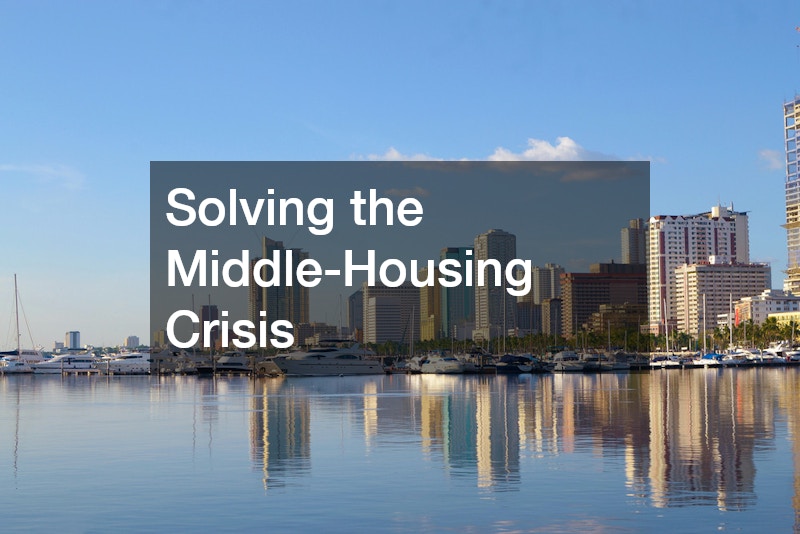
One of the biggest challenges in modern city living is the lack of “middle housing”—the space between massive high-rises and single-family homes. Many developers are now looking at smaller, underutilized lots to create townhomes and boutique apartments. In these scenarios, local metal building contractors are often the go-to experts. They provide the agility needed to work on tight sites where traditional heavy machinery might not fit.
These smaller-scale projects often utilize hybrid construction methods, combining wood frames with steel reinforcements to maximize space and durability. By focusing on these smaller developments, cities can increase density without destroying the historic character of a neighborhood. This approach also allows for more diverse housing options, making the city more accessible to different income levels.
-
In-fill Development: Building on “gap” lots between existing structures.
-
Modular Elements: Bringing in pre-assembled sections to speed up the construction timeline.
-
Soundproofing: Utilizing advanced metal stud walls to minimize noise transfer between units.
Temporary Structures and the Evolution of Public Space
Cities are not just made of permanent monuments; they are also defined by their temporary and transitional spaces. Whether it is a pop-up holiday market, a temporary COVID-19 testing site, or a construction staging area, the ability to deploy structures quickly is vital. This is why many urban planners work with hoop building companies to create large, covered areas that can be assembled and disassembled with minimal impact on the pavement.
These structures are often used for community gardens, temporary transit hubs, or sheltered public plazas. Additionally, for larger construction projects that span several years, local metal building contractors provide the necessary on-site offices and equipment storage that keep a project organized. These “buildings within a building” are the nerve centers of the modern construction site, housing the computers and communication tech required to run a multi-million dollar operation.
-
Seasonal Use: Providing shelter for farmers’ markets during winter months.
-
Rapid Deployment: Creating emergency housing or storage in the wake of urban disasters.
-
Environmental Protection: Using tension-fabric structures to cover sensitive excavation sites.
The Integration of Portable Solutions
Space is the ultimate luxury in a city, and sometimes the best way to add functionality to a property is to look at non-traditional structures. We are seeing a massive trend in the use of portable buildings for everything from backyard home offices to rooftop storage units. These units are manufactured off-site and craned into position, bypassing months of on-site construction noise and dust.
For a homeowner in a crowded district, adding a pre-fabricated studio can be a game-changer for a “work-from-home” lifestyle. Similarly, commercial developers are using these units to create “container parks” where small businesses can rent affordable retail space. The versatility of a local steel building contractor is essential here, as they ensure these units are properly anchored and integrated into the city’s electrical and plumbing grids.
-
Micro-Retail: Using small, portable units for coffee shops and boutiques.
-
Roof-Top Extensions: Adding functional square footage to existing flat-roof buildings.
-
Flexibility: The ability to move or sell the structure if the land use changes.
Navigating Technical Zoning and Safety
You cannot build in a city without a deep understanding of the law. Every municipality has a complex set of zoning ordinances, fire codes, and historical preservation rules. A project that works in one neighborhood might be completely illegal three blocks away. This is why the “human” element of construction—the consultants and project managers—is just as important as the physical labor.
Safety is the other side of this coin. In a city, a construction site is surrounded by thousands of people. The protocols for fire safety, crane operation, and hazardous material handling are much more stringent than in rural areas. Specialized welding services must be performed under strict “hot work” permits to prevent fires in occupied buildings, and every piece of structural steel must be certified to meet the specific fire-rating requirements of the local district.
-
Permit Expedition: Working with city hall to navigate the bureaucracy of building departments.
-
Fire Suppression: Integrating advanced sprinkler systems into the structural frame.
-
Public Safety: Managing sidewalk closures and traffic detours during heavy lifts.
Adaptive Reuse: Giving Old Buildings New Life
Some of the most sought-after real estate in modern cities isn’t new at all; it is the “re-skinning” of old industrial warehouses. This process, known as adaptive reuse, requires a unique set of skills. You are essentially performing surgery on a building, removing decayed elements while preserving the historic character. This often involves reinforcing old masonry with new steel supports.
A structure building expert in this field has to be part historian and part engineer. They must figure out how to run modern fiber-optic cables and HVAC systems through buildings that were originally designed for steam power and manual labor. This often requires custom-fabricated brackets and supports that can only be provided by a specialized metal fabrication contractor who understands how to marry the old with the new.
-
Heritage Preservation: Keeping the “soul” of a building while updating its function.
-
Seismic Retrofitting: Bringing older buildings up to modern earthquake safety standards.
-
Industrial Chic: Leaving structural elements exposed as a design choice.
Sustainable Materials and the Green City Initiative
The carbon footprint of a city is largely determined by its buildings. As we move toward 2030 and beyond, the “Green City” initiative is pushing developers toward materials that are either recycled or have a lower environmental impact. Steel is one of the most sustainable materials available because it is 100% recyclable. Most of the beams being hoisted into our skylines today were once cars, appliances, or even parts of other buildings.
Working with a reputable building supplier that prioritizes eco-friendly sourcing is now a standard requirement for major urban projects. Furthermore, the efficiency of metal buildings—which can be tightly insulated and fitted with solar panels—makes them the preferred choice for developers looking to hit net-zero energy targets.
-
Cool Roofs: Using reflective metal surfaces to reduce the “urban heat island” effect.
-
Rainwater Harvesting: Integrating collection systems into the building’s plumbing.
-
LEED Points: Earning certifications by using locally sourced and recycled materials.
The Future of the Urban Skyline
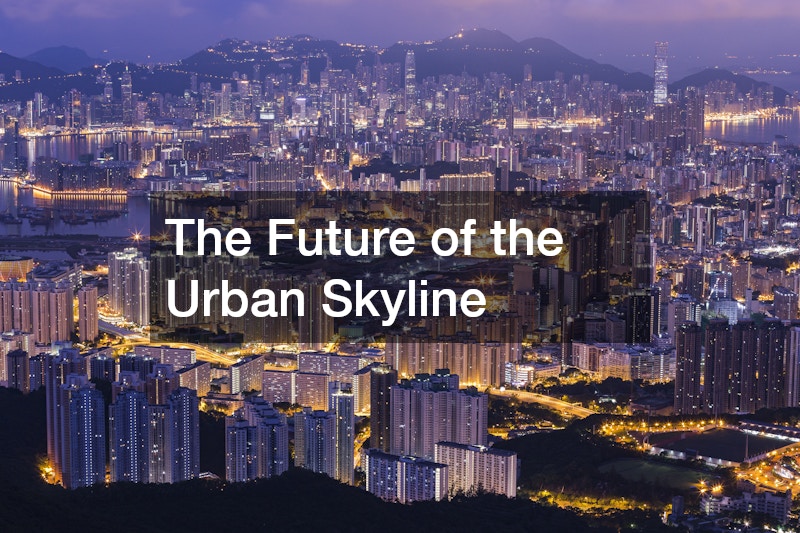
As we look at the cranes dotting the horizon, we are seeing the future of human habitation. The city of tomorrow will be denser, taller, and more interconnected. The challenges of climate change and population growth mean that our construction methods must become even more efficient. We will likely see an increase in “3D printed” components and even more sophisticated use of modular systems.
However, the core of the work will remain the same: high-quality materials and expert craftsmanship. The relationship between a developer and their rebar fabrication company will still determine the strength of the tower, and the precision of local welding services will still ensure its safety. The skyline is a testament to what we can achieve when we combine ambitious design with the practical skills of the construction trades.
-
Smart Buildings: Integrating IoT sensors directly into the structural steel.
-
Vertical Farming: Designing buildings that can grow food for their residents.
-
Kinetic Architecture: Buildings with moving parts that respond to the sun or wind.
The transformation of our cities is an ongoing story, one that is written in the steel and glass of our buildings. While it is easy to focus on the finished product—the luxury apartment or the sleek office tower—the true value lies in the process and the people who make it possible. By understanding the layers of expertise required to build in an urban environment, we can better appreciate the complex, beautiful machines we call cities.
As you look around your own neighborhood, take a moment to notice the details. The way a new balcony catches the light, the strength of a renovated warehouse, and the clever use of small spaces are all signs of a healthy, growing city. The skyline is more than just a view; it is a reflection of our collective ambition and the incredible technical skill of those who build the world we live in. Moving forward, the continued partnership between innovative architects and the specialized trades will ensure that our urban centers remain vibrant, safe, and inspiring places to call home.