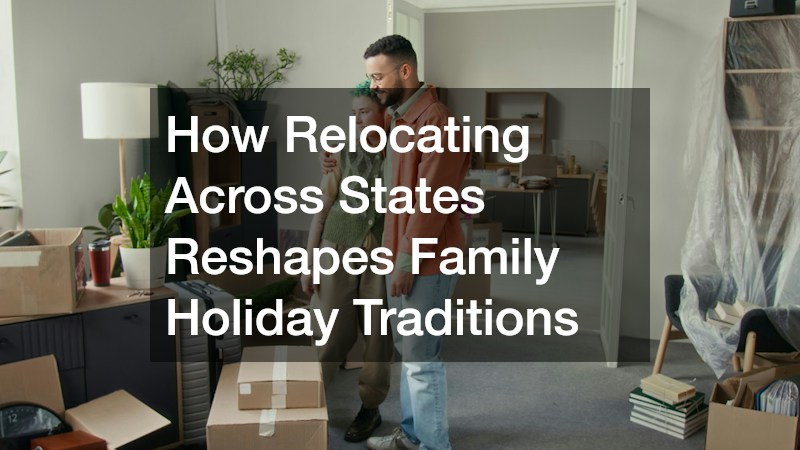
Packing up a household and moving to a new state is stressful enough without wondering what happens to Thanksgiving dinner, the annual tree-trimming party, or the cousins’ New Year gathering. Family holiday traditions are often tied to a specific house, town, or group of nearby relatives, and relocating can quietly unravel routines that took years to build. The good news is that most families find their traditions do not disappear, they simply transform into something new. Understanding how to anticipate these shifts can help you protect what matters most while staying open to fresh rituals that fit your new life.
Distance From Extended Family Changes Gathering Patterns
When grandparents, aunts, uncles, and cousins are suddenly several states away, the logistics of a holiday gathering change dramatically. Families who once hosted rotating dinners at each other’s homes may need to consolidate into a single annual trip or shift toward hosting duties falling on whoever has the most space. This often means fewer visits but longer stays, with holidays becoming multi-day events rather than single-afternoon affairs.
It also forces families to decide which holidays are worth the travel and which ones become smaller, local celebrations. Some families choose to alternate years, spending Thanksgiving with one side of the family and Christmas with the other. Others invest in video calls and shared meals over a screen to keep smaller occasions connected without the expense of flights or long drives.
New Climate and Geography Alter Seasonal Celebrations
A family accustomed to a white Christmas may find themselves adjusting to palm trees and sunshine in December, and that shift can be more emotionally significant than expected. Seasonal traditions like sledding, apple picking, or bonfires may no longer be practical in a new climate, prompting families to find local equivalents instead. Conversely, a move from a warm region to a snowy one can introduce entirely new possibilities that were never part of the family’s holiday vocabulary before.
Adjusting decor, food choices, and outdoor activities to match the new environment often becomes a creative project rather than a loss. Many families discover that embracing the local landscape, whether it is a beach bonfire in July or a snowman built for the first time, adds a layer of novelty that keeps holidays exciting.
Recipes and Food Traditions Travel With the Family
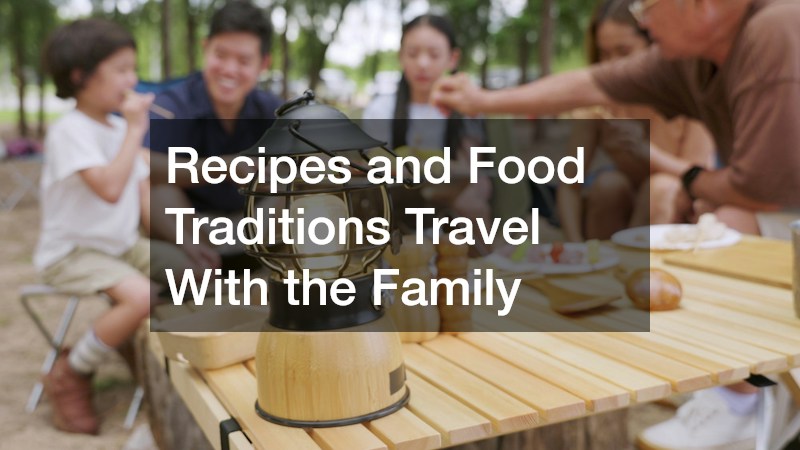
Food is often the most portable and most emotionally resonant part of any holiday tradition, which makes it a natural anchor point during a relocation. A grandmother’s stuffing recipe or a regional dish passed down through generations can be recreated almost anywhere, provided the ingredients are available. Some families find that certain regional ingredients are harder to find in their new state, prompting substitutions or mail-order shopping to preserve authenticity.
Cooking together in the new home can also become its own tradition, helping children feel grounded even when the surroundings are unfamiliar. Hosting a trial run of a holiday meal a few weeks after moving can ease anxiety and give the family something familiar to look forward to.
- Research local grocery stores or specialty shops that carry regional ingredients from your previous state
- Consider ordering hard-to-find items online well before the holiday season
- Teach children the story behind family recipes to reinforce their significance
- Adapt recipes slightly to incorporate new local produce or flavors
Timing Logistics Require Early Planning Around the Move
Coordinating a household move around the holiday calendar takes careful thought, especially if the relocation happens close to a major celebration. Families often need to decide whether to unpack and settle before hosting guests or wait until the following year to resume larger gatherings. Working with experienced local movers in the new city can make the transition smoother if the move itself falls near a holiday, since they understand regional traffic patterns, weather delays, and building access rules that can affect delivery timing.
Planning backward from the holiday date, rather than forward from the move date, tends to reduce stress considerably. Families who map out a rough timeline for unpacking essential items, such as dishes, decorations, and linens, are better positioned to host a gathering even in a partially settled home.
- Label holiday decoration boxes clearly before the move so they are easy to locate first
- Schedule the move at least a few weeks before any planned holiday event when possible
- Confirm delivery windows early so gatherings can be planned with confidence
- Keep a small box of essential holiday items with you rather than in the moving truck
Building New Local Connections Reshapes Who Joins the Table
One of the more unexpected shifts after relocating is realizing that new neighbors, coworkers, or friends may become part of the holiday circle. Many families find that opening their home to new acquaintances helps ease the loneliness that can accompany a move during the holiday season. This blending of old traditions with new faces often creates a more inclusive version of the celebration than the family previously had.
Community groups, religious organizations, and neighborhood associations are often more active around the holidays and can be a good starting point for meeting people. Attending a local tree-lighting event or holiday market can also introduce the family to traditions unique to the new area, which can eventually be adopted as part of the family’s own repertoire.
Choosing Which Traditions to Keep or Retire After the Move
Not every tradition survives a cross-state move, and that is not necessarily a bad thing. Some rituals were tied to a specific house, backyard, or group of friends who are no longer nearby, making them impractical to continue. Rather than forcing an old tradition into a new environment where it does not fit, many families find it healthier to consciously decide what to release.
This process works best when the whole family is involved in the conversation, particularly children who may feel the loss of routine most acutely. Comparing notes on which moments mattered most, whether it was a specific food, activity, or piece of decor, helps identify what to prioritize when settling on new customs. Working with a few reputable moving companies during the research phase of the relocation can also help families plan a timeline that leaves room for these deeper conversations rather than rushing straight from one house to the next.
Relocating across state lines does not have to mean losing the holiday traditions that make a family feel connected. With some intentional planning, most rituals can be preserved, adapted, or thoughtfully replaced with something new that fits the family’s changed circumstances. Start by identifying which traditions matter most, then build a moving and settling timeline that protects space for them. The result is often a richer, more flexible set of holiday customs that reflect both where the family came from and where it is headed.