Relocating to a dense urban center represents one of the most exciting yet overwhelming transitions a person can make. Leaving behind the familiar flow of suburban or rural life for the fast-paced nature of a major metropolis requires a complete shift in daily habits, logistics, and planning. Beyond the initial excitement of iconic skylines, world-class dining, and endless cultural entertainment lies the practical reality of establishing a brand new life from the ground up. Successfully adapting to high-density living is not just about finding an apartment; it is about learning how to navigate complex systems, build a reliable local network, and create a comfortable sanctuary amidst the non-stop momentum of the city.
The key to thriving in a sprawling environment is approaching the move with structured strategies rather than spontaneous guesswork. From setting up essential home infrastructure and managing specialized space constraints to establishing vital health, wellness, and personal services, every detail contributes to your overall quality of life. By taking proactive steps before and immediately after your move, you can eliminate the friction points that often lead to newcomer burnout. This guide breaks down the essential pillars of establishing your footprint in a major city, ensuring your transition is smooth, efficient, and ultimately rewarding.
Setting Up Climate Control in High-Rise Units
Managing temperature in a high-rise apartment or historic brownstone presents unique challenges compared to single-family homes. Urban buildings often retain massive amounts of heat, and individual units can suffer from inconsistent airflow or outdated systems. As soon as you secure your new lease or purchase contract, evaluating the existing heating and cooling equipment should be a top priority. Depending on the building rules and the condition of the unit, scheduling a professional AC installation before moving in your furniture ensures that your living space remains livable through every season.
Working with experienced local technicians allows you to understand the specific mechanical rules of your building, including HOA restrictions or municipal codes regarding exterior units. A modern, energy-efficient system not only keeps humidity and temperature balanced during sweltering summer months, but it also significantly reduces monthly utility costs. Taking care of thermal comfort early frees up your mental energy to focus on the dozens of other logistics waiting on your city moving checklist.
Establishing Essential Indoor Maintenance Networks
Urban properties endure significant wear and tear due to high usage, aging municipal infrastructure, and shared plumbing lines across multi-unit buildings. A minor issue in a neighboring apartment can quickly escalate into a problem inside your own home if you are unprepared. Building a list of reliable contractors before an actual emergency occurs is one of the smartest moves a new resident can make. Having a vetted professional on call for urgent plumbing repairs saves time, money, and stress when faced with unexpected leaks, clogged drains, or water pressure issues.
Because urban living often means relying on property managers or landlords who may be slow to respond, taking proactive control over your home upkeep is vital. Knowing basic isolation valves in your unit and maintaining direct contacts for licensed trade professionals gives you independence. A well-maintained home serves as a calm, fully functional sanctuary where you can recharge after navigating the busy streets outside.
Maximizing Small Footprint Storage and Organization
Space comes at a premium in any major downtown core, requiring creative solutions to store belongings without cluttering your floor plan. Moving into a smaller square footage often means rethinking traditional furniture and utilizing vertical space effectively. For those managing work-from-home setups, creative hobbies, or bulk items in urban lofts or garage units, industrial organizational systems can transform chaotic areas into streamlined zones. Utilizing heavy-duty pallet racking allows you to maximize vertical storage in utility closets, basement lockers, or commercial workspaces, keeping essential items accessible yet completely out of sight.
Living comfortably in a high-density environment requires a strict approach to inventory and organization. Periodically auditing what you own, utilizing multi-functional furniture, and keeping seasonal items neatly stowed away prevents your apartment from feeling claustrophobic. When every item has a designated, structured place, even a modest studio apartment can feel open, organized, and remarkably spacious.

Managing Logistics and Specialized Supply Services
The sheer volume of traffic and limited parking in major metropolitan areas make hauling large goods or managing supply deliveries a unique challenge. Unlike suburban areas where large driveways and open parking lots are standard, urban moves require navigating tight alleyways, loading docks, and strict delivery time slots. Business owners, artists, and individuals moving heavy materials or specialized goods must rely on professional logistics partners who understand local transit regulations. Hiring specialized food transport services ensures that perishable goods, commercial catering supplies, or personal bulk food shipments arrive safely and at regulated temperatures despite heavy city traffic.
Understanding how cargo and freight move through a dense city helps you plan personal and professional projects with far greater accuracy. Scheduling deliveries during off-peak hours, securing proper curb permits, and working with experienced drivers eliminates costly delays. Mastering the logistical flow of the city allows you to enjoy the convenience of urban commerce without getting bogged down by transport headaches.
Prioritizing Gastrointestinal Health During Transitions
The stress of relocating combined with radical changes in routine, dietary habits, and local water supply can take a surprisingly heavy toll on your physical well-being. Moving often involves weeks of eating takeout on the go, irregular sleep schedules, and high daily stress levels, all of which directly impact digestion. Paying close attention to your body and establishing healthy eating habits early in your move helps maintain consistent energy levels throughout the transition. If persistent discomfort or digestive issues arise, consulting with a qualified digestive health specialist ensures that underlying issues are addressed promptly before they interfere with your daily routine.
Navigating a new city becomes significantly harder when you are not feeling your physical best. Prioritizing home-cooked meals, staying hydrated, and finding local markets with fresh ingredients helps your body adjust to its new environment. Taking care of your digestive health allows you to adapt to the fast pace of urban life with the stamina and vitality required to enjoy your new surroundings.
Securing Primary Healthcare in Your New Community
One of the most commonly overlooked tasks during a major move is transferring medical records and finding a new core healthcare team. Waiting until you are sick or injured to find a clinic often results in long wait times, out-of-network fees, or added stress. Establishing care early with reputable family doctors ensures that you have a trusted medical advocate who understands your personal health history and can manage routine checkups, prescriptions, and preventive care.
Primary care providers also serve as your gateway to local specialists, hospital networks, and community wellness resources. Taking time during your first month to research clinics near your neighborhood or workplace makes routine health management effortless. Having an established medical home base provides immense peace of mind as you settle into your new lifestyle.
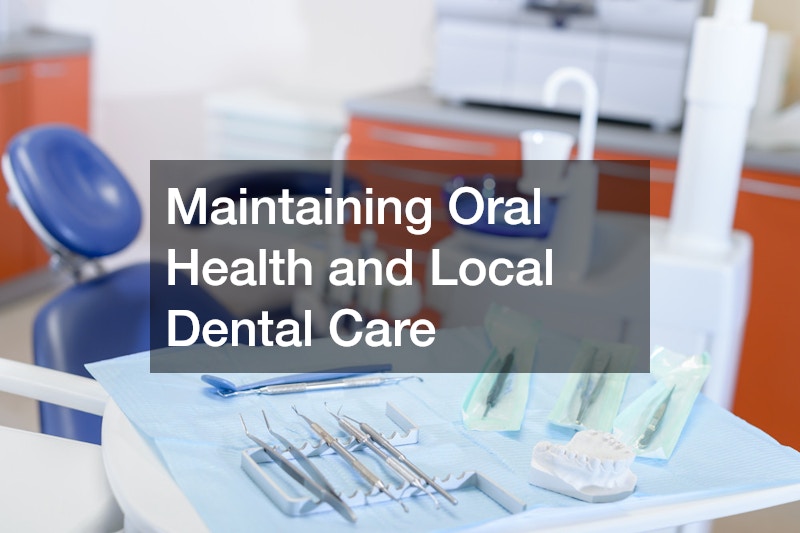
Maintaining Oral Health and Local Dental Care
Maintaining consistent preventative care is essential when building your new healthcare routine in the city. Daily urban stress, changes in dietary routines, and busy schedules can cause people to delay routine maintenance appointments, leading to avoidable dental problems down the road. Finding a conveniently located dentist near your residential building or daily commute route makes it easy to stay on top of semi-annual cleanings and checkups without disrupting your workday.
A good local clinic can also provide emergency support if you experience sudden tooth pain or accidental injury while navigating the city. Taking the time to read local reviews, verify insurance coverage, and complete intake paperwork ahead of time means you are fully prepared whenever care is needed. Keeping up with regular oral care is a simple, effective way to safeguard your long-term health and well-being.
Navigating Seasonal Comfort and Air Quality
Urban environments present unique environmental factors, including elevated dust levels, pollution, and microclimates caused by dense concrete structures. Maintaining healthy indoor air quality and consistent heating during cold winter months requires attention to your unit’s internal ventilation and climate systems. Reaching out to a trusted HVAC company to inspect air filters, clean ductwork, and service your heating system guarantees that your home remains warm, clean, and energy-efficient year-round.
Proper airflow and filtration are especially critical for city dwellers living near busy roadways or construction zones. Regular professional servicing prevents allergen buildup, reduces ambient noise from struggling machinery, and extends the lifespan of your climate equipment. Treating your home’s environmental controls as a long-term investment ensures your living space remains a healthy retreat from the urban environment.
Securing Your Financial Future and Family Protection
Moving to a major city often coincides with major life changes such as a career advancement, a marriage, or starting a family. With the higher cost of living inherent to downtown areas, reviewing and updating your long-term financial security plan becomes more critical than ever. Partnering with reputable life insurance agencies allows you to evaluate your current coverage, protect your dependents, and ensure that your family’s financial future is secure regardless of unexpected life events.
Urban financial planning involves accounting for higher housing costs, local taxes, and long-term wealth preservation. A structured insurance policy offers a crucial safety net, allowing you to invest and live confidently in your new city. Aligning your protection strategy with your new financial reality provides a solid foundation for sustainable, long-term urban living.

Building Social Connections and Celebrating Milestones
Establishing a vibrant personal life in a sprawling metropolis requires deliberate effort and openness to new experiences. While cities are packed with millions of people, it is surprisingly easy to feel isolated without an intentional strategy to build a community. Attending local neighborhood associations, joining fitness groups, and celebrating small milestones helps transform a daunting urban center into a welcoming, familiar neighborhood. Sending thoughtful gifts or utilizing same day flower delivery to thank new neighbors, acknowledge colleagues, or celebrate family occasions helps foster warm, lasting personal relationships.
Creating a sense of belonging comes from consistently engaging with the local culture around you. Supporting independent coffee shops, visiting corner bodegas, and participating in street festivals helps you integrate into the community fabric. As your social network grows, the city quickly shifts from feeling like an overwhelming maze to feeling like home.
Adapting to Downtown Mobility and Public Transit
Mastering city transit is one of the most liberating aspects of relocating to a dense urban center. Learning how to navigate subway lines, bus routes, bike shares, and pedestrian corridors eliminates the costs and headaches associated with driving and parking a personal vehicle. Investing in reusable transit passes, downloading real-time navigation apps, and learning peak traffic hours makes daily commuting efficient and predictable.
Walking and using public transportation also allows you to discover hidden gems in your city that you would otherwise miss from behind the wheel of a car. Exploring different neighborhoods on foot builds a deep geographical familiarity and helps you feel truly connected to the urban landscape. Embracing local transit modes is a fundamental step in transitioning from an outsider to a confident local resident.
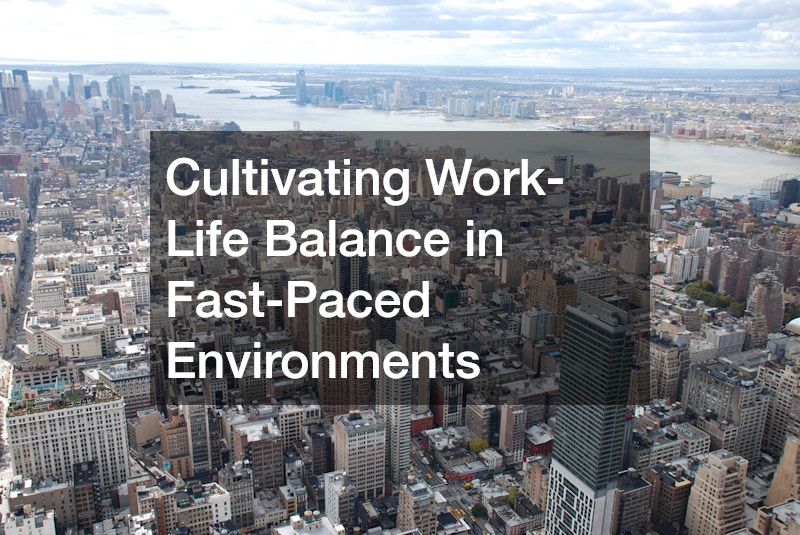
Cultivating Work-Life Balance in Fast-Paced Environments
The relentless energy of a major city can easily lead to burnout if you do not actively establish personal boundaries and routines. Downtown environments operate around the clock, making it tempting to overwork, overcommit, or neglect rest. Creating a structured daily routine that includes downtime, outdoor exercise in city parks, and unplugged hours at home is essential for maintaining mental resilience.
Finding quiet green spaces, museum galleries, or peaceful cafes provides a much-needed contrast to the fast-paced streets. Protecting your personal time ensures that the energy of the city inspires you rather than drains you. By balancing the exciting opportunities of metropolis living with intentional self-care, you set yourself up for a fulfilling, sustainable urban lifestyle.
Navigating the transition to metropolis living is an evolving process that requires patience, organization, and practical problem-solving. By systematically addressing your housing needs, organizing your physical space, establishing a reliable network of health and maintenance professionals, and protecting your financial future, you lay the groundwork for a seamless transition. Urban living offers unparalleled convenience, diversity, and opportunity for those who take control of their environment. With the right strategies in place, you can overcome the initial hurdles of relocation and fully enjoy everything your new city has to offer.